







Le Cask
Pub Et Grille

PRÊTE À DÉCOUVRIR LE CASK?
Le Cask pub et grille est un établissement de restauration décontracté qui combine l'atmosphère d'un pub traditionnel avec les offres de menu d'un grill. Le menu propose généralement une gamme de plats de pub classiques, tels que des hamburgers, des ailes, des frites, de la bière et de l'alcool.
Notre resto pub propose également une sélection de bières pression, ainsi qu'une variété de bières en bouteille et d'autres boissons alcoolisées.
Notre prochaine fête Le Cask
En plus de la nourriture et des boissons, Le Cask Pub et Grille offre une gamme d'options de divertissement, y compris de la musique en direct, des soirées karaoké, des soirées Trivia, des événements sportifs et plus encore.
Nous pouvons également organiser des événements spéciaux, tels que des dégustations de bière ou des fêtes d'anniversaire, ce qui en fait un lieu de rassemblement populaire entre famille et amis.
Prendre rendez-vous
Prendre rendez-vous
Nous pouvons également organiser des événements spéciaux, tels que des dégustations de bière ou des fêtes d'anniversaire, ce qui en fait un lieu de rassemblement populaire entre famille et amis.
Rejoignez-nous pour une bière
Dans notre pub, nous sommes fiers d'offrir à nos clients un avant-goût de nos meilleurs types de bière brassées à partir d'orge, de blé et de houblon soigneusement sélectionnés.
Jetez un coup d'œil ci-dessous pour en savoir plus sur nos meilleures bières.
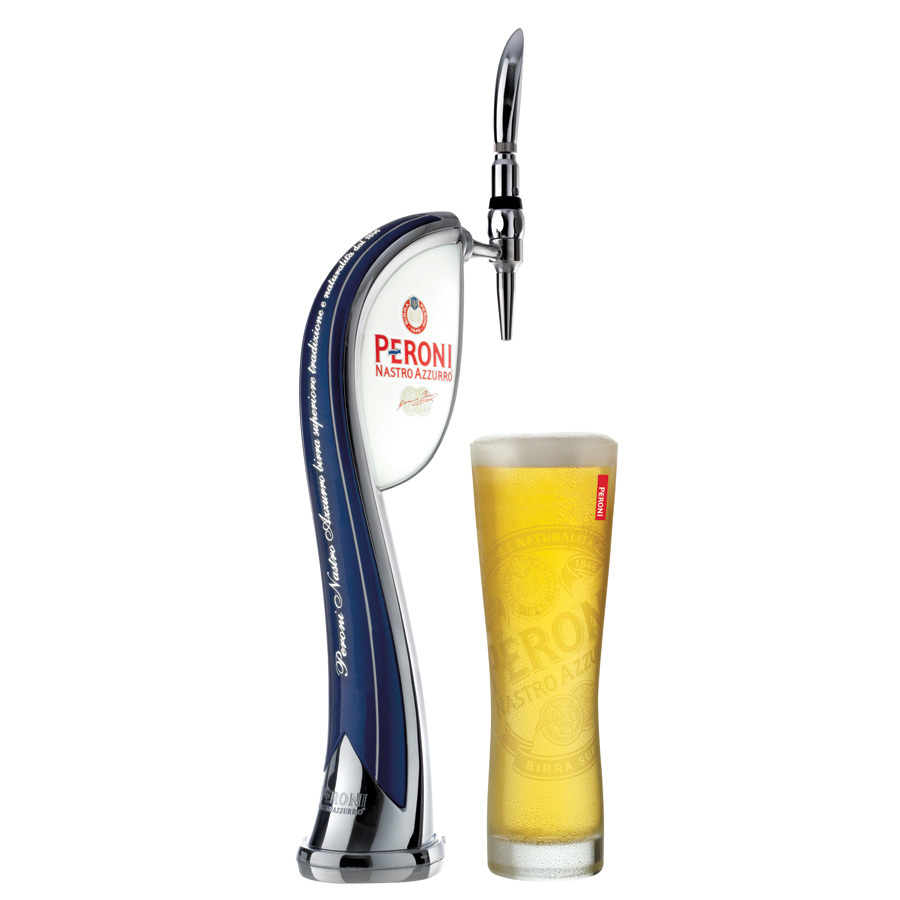
PERONI
Peroni Nastro Azzurro est une bière raffinée au goût net et rafraîchissant distinctif. Avec son arôme équilibré, Peroni est l’accompagnement parfait des plats savoureux de la Méditerranée.

STOUTS
Les Stouts sont une bière forte, qui se distingue par sa couleur brun foncé ou noire et ses caractères de saveur distincts.

CREAM ALE
La St-Ambroise Cream Ale se distingue par son superbe faux col que l’on obtient en enrichissant celle-ci d’azote, ce qui contribue à adoucir l’amertume de gaz carbonique qui caractérise souvent les bières pression nord-américaines. Cette belle mousse tout en longueur, d’une texture soyeuse, couronne, une ale crémeuse au goût corsé. Attention aux moustaches!.

BLANCHE BELGE
Une Wheat Ale de style belge, brassée avec de l'écorce d'orange Valencia pour une douceur subtile et un arôme perçant d'agrumes. Le goût est d'abord vif et acidulé et se termine par des accents de coriandre et d'orange.
Notre Menu
Midi & Soir
-
Entrées
-
Tendres de poulet $14
Chicken Tenders
-
Ailes de Poulet (6) $15 (12) $24
Chicken Wings
-
Rouleaux de boeuf (2) $9
Beef Rolls
-
Bonda (2) $8
Bonda
-
Samosa au Poulet (2) $9
Chicken Samosa
-
Croq'Fromage Doré (P) $9 (G) $16
Golden Cheese Curds
-
Boulettes de courgettes $14
Zucchini Balls
-
Bruschetta $9
Bruschetta
-
Spanakopita (4) $9
Spanakopita
-
Légumes Grillés $12
Grilled vegetables
-
Nachos $21
Ajoutez Guacamole 4$+, Poulet 7$+, Boeuf 6$+
-
Pain À L'Ail Gartiné $12
Gralic Bread
-
Rondelles d’oignons $11
Onion Rings
-
Frites de patates douces $13
Sweet Potato Fries
-
Frites maison $9
Home Fries
-
Crevettes Pop-Corn (P) $11 (G) $19
Popcorn shrimp
-
Calamars Frits $19
Fired Calamari
-
Crevettes Masala Frites $18
Masala Fried Shrimp
-
Galette de Crabe (1) $9 (2) $16
Crab Cake
-
Coquille saint-Jacques $14
Scallop Shell
-
Tartare de saumon $18
Salmon Tartar
-
Crevettes Tempura (6) $17
Shrimp Tempura
-
Plateaux de fruits de mer (3) $45
Seafood Platter
-
Soupe à l’oignon française $11
French Onion Soup
-
Soupe du jour $8
soup of the day
-
Petite Poutine $10
Small Poutine
-
Pique-assiette Le Cask $27
Crudites, Samosa au Poulet, Croq'Fromage Doré, Rondelles d’oignons, Boulettes de courgettes, Saucisse
-
Le Festin (5) $76
The Grand Platter

-
Salade
-
Salade Maison | House Salad $16
Laitues mélangées, Légumes de saison avec un choix de vinaigrette Mix Lettuce, Seasonal vegetables served with choice of dressing
-
Cesar $19
Laitue romaine, sauce césar, croutons, bacon & parmesan Romaine lettuce, caesar dressing, croutons, bacon & parmesan
-
Salade grecque | Greek Salad $24
Olives, tomato, bell peppers, Cucumber, feta Olives, tomates, poivrons, concombre, Oignons, feta
-
Canneberge et noix | Cranberry Walnut $21
Laitue, canneberges séchées, noix et Feta Lettuce, dried cranberries, walnuts and Feta
-
Salade MARINARA $31
Laitue, crevettes, chair de crabe, saumon Lettuce, shrimp, crab meat, Salmon
-
Salade de steak & de champignons | Steak & Mushroom Salad $36
Laitue, roquette, champignons, steak Lettuce, arugula, mushroom, steak
-
Poutine
-
Régulière / Regular $15
-
De Montréalais $18
Viande fumée / Smoked Meat
-
De Montagnes (10z +12) $24
Steak, poivrons, champignons / Steak, Bell Peppers, mushroom
-
LA poule (+2 Poulet grillé) $20
Poulet, oignon rouge, poivrons, champignons / Chicken, Red onion, Bell Peppers, mushroom
-
Carnivore $24
Saucisse, bacon, pepperoni / Sausage, Bacon, Pepporoni
-
Poutine poulet au beurre • Butter chicken poutine $24
Poulet au beurre dans sa sauce servi avec des frites et fromages en grain Butter chicken in its sauce served with fries and curd cheese
-
Sandwhich & Wrap
-
Choix d’accompagnement: frites ou salade (moitié/moitié + 3$) Choice of Side: Fries or House salad (Half n Half +3$)
-
Club au poulet / Chicken club $22
Choix de pain blanc ou brun avec poulet mariné & grillé, bacon croustillant, laitue, tomates, mayo Choice of white or brown bread, marinated grilled chicken, crispy bacon, lettuce, tomato, mayo
-
Steak CiAbatta$26
Bifteck tranché, roquette, oignons caramélisés, fromage suisse, mayoracha Sliced steak, arugula, caramelized onions, swiss cheese, mayoracha
-
Poulet CiAbatta / Chicken CiAbatta$22
Poulet, bacon, laitue, tomates, cheddar, avocat et mayoracha Chicken, bacon, lettuce, tomato, cheddar, Avacado, mayoracha
-
BLT$18
Bacon, laitue, tomates, 3 cheese, mayoracha Bacon, lettuce, tomato, 3 fromages, mayoracha
-
Sandwich Viande fumée / Smoked Meat Sandwich $23
servi sur pain de seigle avec salade de chou et cornichon served on rye bread with coleslaw and Pickle
-
Wrap au Poulet César / Chicken ceaser Wrap $21
Tendres de poulet, Salade César, fromage suisse, tomates Chicken tenders, Ceaser Salad,Swiss cheese, tomato
-
Wrap aux légumes grillés | Grilled Vege Wrap $19
Fromage Halloumi grillé, poivrons, champignons, avocat et sauce au miel et à la moutarde Grilled Halloumi cheese, peppers, mushroom, avocado and honey mustard sauce
-
Wrap Poulet Au Beurre/ Butter Chicken Wrap$24
Poulet Au beurre, oignons rouges, laitue, enveloppée dans du pain naan Butter chicken, red onions,Lettuce, wrapped in naan bread
-

-
Burger
-
Choix d’accompagnement: frites ou salade (moitié/moitié + 3$) Choice of Side: Fries or House salad (Half n Half +3$)
-
Le Classique $21
Galette de boeuf 8oz, fromage suisse, laitue, tomates, cornichon 8oz beef patty, Swiss cheese, lettuce, tomato, dill pickle
-
Smoky Montagne$24
Galette de boeuf 8oz, fromage suisse, bacon, sauce BBQ, oignons caramélisés, champignons sautés, laitue, tomates, cornichon 8oz beef patty, Swiss cheese, bacon, caramelized onions, sauteed mushrooms, lettuce, tomato, dill pickle
-
Le cask$27
Bacon, oignon rouge, poivron rouge, champignons sautés, brie, rondelles d'oignon, laitue, tomates, cornichon Bacon, Red onion, Red Pepper, Sauted mushroom, Brie, onion rings, lettuce, tomato, dill pickle
-
Le forêt$22
Beyond Meat, oignon rouge, poivron rouge, oignon vert, brie, guacamole, laitue, tomates, cornichon Beyond Meat, Red onion, Red pepper, green onion, Brie, Guacamole, lettuce, tomato, dill pickle
-
Du Lac$19
Filet de poisson, fromage cheddar, sauce tartare, laitue Fish Fillet, Cheddar cheese, Tartar sauce, Lettuce
-
Poulet croustillant | Crispy chicken$21
Poulet croustillant, fromage cheddar, laitue, tomates, mayoracha Crispy chicken, cheddar cheese, lettuce, tomato, mayoracha
-

-
Cari Indien
Servis avec Pulao et naan | Served with Pulao and naan
-
Poulet / Chicken $22
-
boeuf / Beef $23
-
chèvre / Goat $25
-
Poulet au beurre • Butter chicken $25
-
légumes • Vegetable $20
-
-
Pizza
-
3 Fromages $17
Sauce tomate avec un mélange de 3 fromages Tomato sauce with a 3 cheese blend
-
Margherita $19
Sauce tomate, Boccocini et Basil Tomato sauce. Boccocini and Basil
-
Toute garnie $23
Sauce tomate, pepperoni, champignons, poivrons & un mélange de 3 fromages Tomato sauce, pepperoni, mushroooms, bell peppers & a 3 cheese blend
-
Pepperoni $20
Sauce tomate, pepperoni & un mélange de 3 fromages Tomato sauce, pepperoni & a 3 cheese blend
-
Végétarienne $21
Sauce tomate, champignons, oignons rouges, poivrons, broccoli & un mélange de 3 fromages Tomato sauce, mushrooms, bell peppers, broccoli & a 3 cheese blend
-
Poulet Au beurre | Butter Chicken $27
Poulet au beurre & garni avec sa sauce, oignons rouges, poivrons & un mélange de 3 fromages Butter chicken spread in its sauce, red onions, bell peppers & a 3 cheese blend
-
Pancetta $24
Sauce tomate, pancetta, champignons, poivrons & un mélange de 3 fromages Tomato sauce, pancetta, mushroooms, bell peppers & a 3 cheese blend
-
Smoked meat $24
Sauce tomate, viande fumée, champignons, poivrons & un mélange de 3 fromages Tomato sauce, smoked meat, mushroooms, bell peppers & a 3 cheese blend
-
Frutti di Mare $26
Sauce blanche, crevettes et pétoncles, goberge & un mélange de 3 fromages White Sauce, Shrimp and Scallops, pollock & a 3 cheese blend
-
A La Viande $28
Sauce tomate, Saucisse, pepperoni, viande hachée, fromage en grains & un mélange de 3 fromages Tomato sauce, Sausage, Pepperoni, Minced meat cheese curds & a 3 cheese blend
-
Curry Pizza $27
Garni de notre curry & un mélange de 3 fromages | Our delicious curry & a 3 cheese blend
-
-
Plat Principaux
-
Servis avec Soupe ou Salade Maison Served with Soup or House Salad
-
Bifteck de surlonge /Sirloin steak 10oz $36
Servi avec légumes & un choix d’accompagnement Served with vegetables & your choice of side
-
Steak d'entrecôte / Rib Eye Steak 16oz$45
Servi avec légumes & un choix d’accompagnement Served with vegetables & your choice of side
-
côtelettes d'agneau / Lamb Chops$38
Servi sur patates grecques et des légumes Served with Greek potatoes and Vegetables
-
POULET PARMESAN / Chicken Parmesan$32.00
Servi avec spaghettini Napolitana Served with spaghettini Napolitana
-
Bifteck Haché $28.00
Deux Galette de boeuf 5oz, garnie d’oignons caramélisés, champignons sautés &jus de roti servi avec légumes & uPurée de pommes de terre Two 5oz beef patty, garnished with caramelized onions, sauteed mushrooms& gravy served with vegetables & mashed potatoes
-
curry thaï Au Poulet / Thai chicken curry $26.00
Curry jaune Thai servi avec du riz sauté Yellow Thai curry served with fried rice
-
Souvlaki $31.00
Choix de souvlaki de porc ou de poulet servi avec riz, salade et sauce tzatziki Choice of pork or chicken souvlaki served with rice, salad & tzatziki sauce
-
Fajitas grésillants / Sizzler$28.00
Fajitas au poulet grésillant servies avec des tortillas Sizzling Chicken Fajitas served with tortillas
-
Poulet Karahi grésillants / Karahi Chicken Sizzler$28.00
Poulet karahi grésillant servi avec du pain naan Sizzling karahi chicken served with naan bread
-
Quesadillas $28.00
Quesadillas de poulet servi avec salsa, crème sure et Frites Chicken Quesadillas served with Salsa, sour cream and Fries
-
Saumon grillé • Grilled salmon $34.00
Servi avec légumes & un choix d’accompagnement Served with vegetables & your choice of side
-
Truite poêlée / Pan Fried Trout $32.00
Servi avec légumes & patates grecques Served with vegetables & Greek potatoes
-
Fish & Chips $24.00
Morue panée à la bière, servie avec frites & sauce tartare. Beer battered cod served with fries & tartar sauce.
-
Tartare de saumon / Salmon Tartar $28.00
Servi avec spaghettini Napolitana Served with spaghettini Napolitana
-
-
Pâtes
-
Choix de spaghettini ou penne ou Fettucini (tortellini à la viande ou gnocchi 4$+) Choice of spaghettini or penne ou Fettucini (meat tortellini or gnocchi 4$+)
-
Napolitana $19
-
Alla Bolognese $23
-
Alfredo $18
Ajoutez Champignons 3$+, Poulet 7$+, Crevettes 9$+ Add Mushroom 3$+, Chicken 7$+,Shrimp 9$+
-
Alla Rose $18
Ajoutez Champignons 3$+, Poulet 7$+, Crevettes 9$+ Add Mushroom 3$+, Chicken 7$+,Shrimp 9$+
-
Alla Gigi $24
-
Alla carbonara $17
-
Arrabiata $19
-
Alio olio $21
-

-
Menu Enfants
-
Enfants de 12 ans & moins. Boisson & crème glacée incluses Kids 12 & under. Drink & ice cream included
-
Burger avec fromage/ Cheesburger $10
-
Penne $10
-
Grilled Cheese $10
-
TendrEs de poulet / Chicken tenders $10
-
Mac n Cheese $10
-
Poutine $8
-
-
Desserts
-
Tarte aux pommes / Apple Pie $10
-
Tarte aux pacanes / Pecan Pie $10
-
Gâteau aux carottes / Carrot Cake $10
-
Gâteau au fromage Red Ruby / Red Ruby Cheescake $10
-
Tarte au citron meringuée / Lemon meringue pie $10
-
Dolche Deluche $10
-
Brownie $9
-
Gluab Jamun $9
-
-
Spécial dIner
-
Le classique Burger $21
-
Warp au Poulet César , Légumes
Inclus Soupe Ou Salade CAFÉ OU THÉ
-
Burger au Poulet
Du lundi au vendredi jusqu'à 16h
-